
In construction, every detail matters. From the foundation to the finishing touches, each component contributes to the overall strength, safety, and longevity of a building. One element that often escapes attention but plays a crucial role in roofing systems is the roof batten. Traditionally made from timber, battens have evolved with modern engineering, and today roof battens of steel are widely recognized as the superior choice. Let’s explore why steel battens are so important, how they outperform timber, and why they are essential for modern buildings.
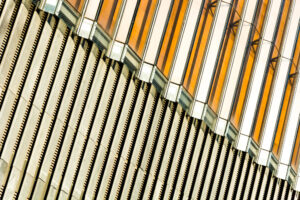
Understanding Roof Battens
Roof battens are horizontal strips fixed across rafters or trusses. They serve as the base for attaching roofing materials such as tiles, slates, or metal sheets. In simple terms, battens are the skeletal framework that holds the roof covering in place. Without them, roofing materials would lack stability and alignment.
While timber battens were once the norm, steel battens have become increasingly popular due to their unmatched durability, precision, and resistance to environmental challenges.
Why Steel Roof Battens Are Essential
1. Strength and Durability
Steel battens are engineered to withstand heavy loads. They can support the weight of roofing materials while resisting external forces such as wind, rain, and snow. This makes them ideal for both residential and commercial projects where longterm reliability is nonnegotiable.
2. Resistance to Termites and Rot
Timber battens are vulnerable to termites, moisture, and decay. Steel, on the other hand, is immune to these issues. Choosing roof battens of steel ensures that the roof structure remains intact for decades without costly repairs or replacements.
3. Fire Safety
Steel battens are noncombustible, offering an added layer of protection in fireprone regions. This feature is specifically valuable in areas susceptible to bushfires or extreme heat, where timber battens pose a significant risk.
4. Precision and Consistency
Steel battens are manufactured with exact dimensions, ensuring uniformity across the roof. This precision simplifies installation, reduces errors, and results in a cleaner, more professional finish.
5. Light Weight Yet Strong
Despite their strength, steel battens are surprisingly lightweight. This reduces the overall load on the building structure, making them suitable for modern architectural designs that emphasize efficiency and sustainability.
The Role of Roof Battens Steel in Building Performance
Roof battens are more than just supports; they directly influence the performance of the building:
- Load Distribution: Steel battens evenly distribute the weight of roofing materials, preventing stress points that could cause cracks or leaks.
- Ventilation: Properly installed battens create airflow between the roof covering and underlay, reducing moisture buildup and preventing mold.
- Energy Efficiency: By supporting insulation layers and reflective foils, steel battens help regulate indoor temperatures, lowering energy costs.
- Longevity of Roofing Materials: Secure battens ensure tiles or sheets remain firmly in place, extending the lifespan of the roof.
Comparing Steel Battens with Timber Battens
|
Feature |
Timber Battens | Roof Battens Steel |
| Strength | Moderate, can warp | High, consistent |
| Durability | Prone to rot/termites | Resistant to decay |
| Fire Resistance | Combustible | Noncombustible |
| Precision | Varies with cut | Factorymade exact |
| Maintenance | Requires regular check | Minimal |
| Lifespan | 10–20 years |
30+ years |
The comparison makes it clear: steel battens outperform timber in nearly every category, making them the preferred choice for builders who value safety and longevity.
Environmental Benefits of Steel Battens
Sustainability is a growing priority in construction. Steel battens contribute positively in several ways:
- Recyclability: Steel is 100% recyclable, reducing waste and environmental impact.
- Reduced Timber Use: By replacing timber battens, steel helps conserve forests and natural resources.
- Energy Efficiency: Their role in supporting insulation improves energy savings in buildings.
Practical Applications
Steel battens are widely used in:
- Residential homes: Ensuring strong, safe, and longlasting roofs.
- Commercial buildings: Supporting large roofing systems with heavy loads.
- Industrial structures: Providing durability in harsh environments.
- Architectural projects: Allowing innovative designs with lightweight yet strong support.
Installation Advantages
Builders appreciate steel battens for their ease of installation. They come pre punched for screws, saving time and effort. Their uniformity eliminates the inconsistencies often found in timber, reducing labor costs and ensuring a smoother workflow. Additionally, their lightweight nature makes handling and transportation easier, further streamlining construction projects.
Conclusion
Roof battens may seem like minor components, but they are fundamental to the strength, safety, and efficiency of any building. Choosing roof battens steel over timber is a smart investment that ensures durability, fire resistance, and long-term performance. As construction standards evolve, steel battens stand out as the backbone of modern roofing systems.
Want to upgrade your building with the reliability of steel battens? Explore high-quality solutions at Ezibatten and give your roof the strength it deserves.
Recent Posts
Categories
- gutter and fascia replacement 3
- metal roof batten 18
- top hat battens 1
- metal fascia 2
- steel roof batten 40
- roof battens and purlins 7
- insulated roofing panels 25
- sandwich roofing panels 15
- roofers bracket 4
- gutter accessories suppliers 11
- metal ceiling battens 6
- metal fascia for modern roof 4
- Uncategorized 12
- metal roof insulation blanket 5
- cladding building materials 2
- top hat roofing 2
- metal roofing suppliers 9