
Roofing systems are one of the most crucial components of any building, protecting occupants and assets from the elements. A key part of this system is the battens the strips that support roofing materials such as tiles, sheets, or shingles. Traditionally, timber battens have been used, but in recent years, metal roof battens have gained popularity across Australia and globally.
The question that many homeowners, builders and contractors ask is: Are metal roof battens suitable for all weather conditions? The short answer is yes, when designed and installed correctly, metal battens are highly durable and flexible to multiple climates. Let’s explore why.
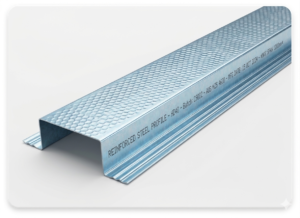
What Are Metal Roof Battens?
Metal roof battens are lightweight steel or aluminium strips, installed horizontally across roof trusses or rafters. They serve several purposes:
- Structural support: They hold roof materials in place.
- Load Distribution: They evenly spread the load of tiles or sheets.
- Ventilation: They create an air gap between the roof deck and the cladding.
- Durability: Unlike wood, they resist warping, rotting and pest damage.
Modern battens, such as those offered by Ezibatten, are engineered to meet Australian building standards and withstand harsh environmental conditions.
Weather Challenges and Metal Battens’ Performance
Rain and Humidity: Melbourne and other coastal regions often experience heavy rainfall and high humidity. Timber battens absorb moisture, leading to swelling, rotting and eventual structural failure.
- Metal Advantage: Galvanised or coated steel battens resist corrosion and rust.
- Their design promotes water runoff, preventing pooling.
- Longevity: They retain structural integrity even under prolonged damp conditions.
Fire-Prone Areas: Australia is no stranger to bushfires, and roof systems must be designed with fire safety in mind.
- Non-combustible: Steel battens do not ignite, unlike wood.
- Compliance: Metal battens meet fire safety standards, making them ideal for hazardous areas.
- Insect Resistance
Termites and other pests are a constant threat to wood structures.
- Metal Advantage: Steel battens are completely termite-proof.
- Savings: This eliminates the need for costly pest treatments and replacements.
Wind and Storms: High winds and storms can cause roofs to lift or collapse if battens fail.
- Strength: Metal battens provide consistent dimensions and strength.
- Flexibility: Spacing can be adjusted to meet wind load requirements.
- Reliability: They are less likely to split or crack under pressure compared to timber.
Heat and Cold: Extreme temperatures can affect roofing systems.
- Thermal Break: Metal battens create an air gap that reduces heat transfer in summer.
- Condensation Control: In colder climates, they help prevent moisture buildup and ice dams.
- Efficiency: Improved ventilation contributes to better insulation performance.
Advantages of Metal Roof Battens
- Durability: Resistant to fire, pests, and moisture.
- Consistency: Manufactured to precise dimensions, assuring a consistent installation.
- Sustainability: Steel is recyclable, reducing environmental impact.
- Cost-Effectiveness: Greater upfront cost, but lower maintenance and longer lifespan.
- Ease of Installation: Lightweight and easy to handle, reducing labor time.
Risks and Factors: Metal battens are highly versatile, but certain considerations must be considered:
- Corrosion in Coastal Areas: Requires galvanised or powder-coated battens for protection.
- Installation quality: Poor fixing or wrong spacing can compromise performance.
- Initial cost: Slightly higher than timber, but offset by extended savings.
Case Studies in Australian conditions.
- Coastal homes in Victoria: Metal battens resisted salt-laden air corrosion when galvanized, outperforming wood alternatives.
- Bushfire-Prone Regions in NSW: Steel battens provided non-combustible support, helping homes to meet fire safety codes.
- Urban Melbourne Projects: Builders reported faster installation periods and reduced maintenance costs with Ezibatten products.
The Future of Roofing Battens:
With sustainability and resilience becoming priorities in the construction industry, metal roof battens are set to dominate the market. Their recyclability, strength and pliability make them the most preferred choice for modern builders.
Conclusion
So are metal roof battens suitable for all weather conditions? Absolutely. From heavy rain and humidity to bushfires, termites, storms and extreme temperatures, metal battens provide unparalleled durability and safety. They are a solid investment for homeowners and builders who value longevity, efficiency and peace of mind.
For high-quality, Australian-made battens engineered for all climates, visit Ezibatten today and explore their advanced solutions for your next project.
Recent Posts
Categories
- gutter and fascia replacement 3
- metal roof batten 18
- top hat battens 1
- metal fascia 2
- steel roof batten 40
- roof battens and purlins 7
- insulated roofing panels 25
- sandwich roofing panels 15
- roofers bracket 4
- gutter accessories suppliers 11
- metal ceiling battens 6
- metal fascia for modern roof 4
- Uncategorized 12
- metal roof insulation blanket 5
- cladding building materials 2
- top hat roofing 2
- metal roofing suppliers 9