
When it comes to roofing your building, the materials you choose for it can significantly impact the durability, safety, and performance of your structure. While most attention is often given to the outer layer, such as tiles, shingles, or metal sheets, the real strength lies beneath. Steel roof battens are the unsung heroes of modern roofing, offering unmatched support, resilience, and versatility. Whether you’re a builder, architect, or homeowner, understanding the role of steel battens can help you make smarter, more sustainable choices.

What Are Steel Roof Battens?
Steel roof battens are long, narrow strips made from high-tensile galvanized steel. They are installed horizontally across roof trusses or rafters and serve as the fixing point for roofing materials, such as the tiles, metal sheets, or shingles. Their main function is to distribute weight evenly across the roof structure, ensuring stability and preventing sagging or shifting over time.
Unlike traditional timber battens, steel battens do not warp, rot, or attract termites. They remain straight and strong for decades, making them a highly preferred choice for both residential and commercial roofing projects.
Key Benefits of Steel Roof Battens
1. Superior Structural Integrity
Steel battens are engineered to withstand extreme weather conditions, including heavy rain, strong winds, and intense heat. Their high-tensile strength ensures that roofing materials remain securely anchored, reducing the risk of leaks or damage.
2. Fire and Termite Resistance
Timber battens are vulnerable to fire and pest infestations. Steel battens, on the other hand, are non-combustible and impervious to termites, offering a safer and more durable solution — especially in bushfire-prone areas.
3. Dimensional Stability
One of the biggest challenges with timber is its tendency to warp, shrink, or expand in response to changes in humidity and temperature. Steel battens maintain their shape and size, ensuring a consistent and reliable roofing surface.
4. Lightweight and Easy to Handle
Despite their strength, steel battens are lightweight and easy to transport, handle, and install. This cuts down the labor costs and installation time, making them a cost-effective choice for builders and contractors.
5. Sustainability and Recyclability
Steel is considered one of the most recyclable materials on the planet. Choosing steel battens contributes to a more sustainable construction process, reducing environmental impact and promoting circular building practices.
Applications of Steel Roof Battens
Steel roof battens are versatile and can be used across an extensive range of roofing systems:
a. Tiled Roofs: Provide a secure base for concrete or terracotta tiles.
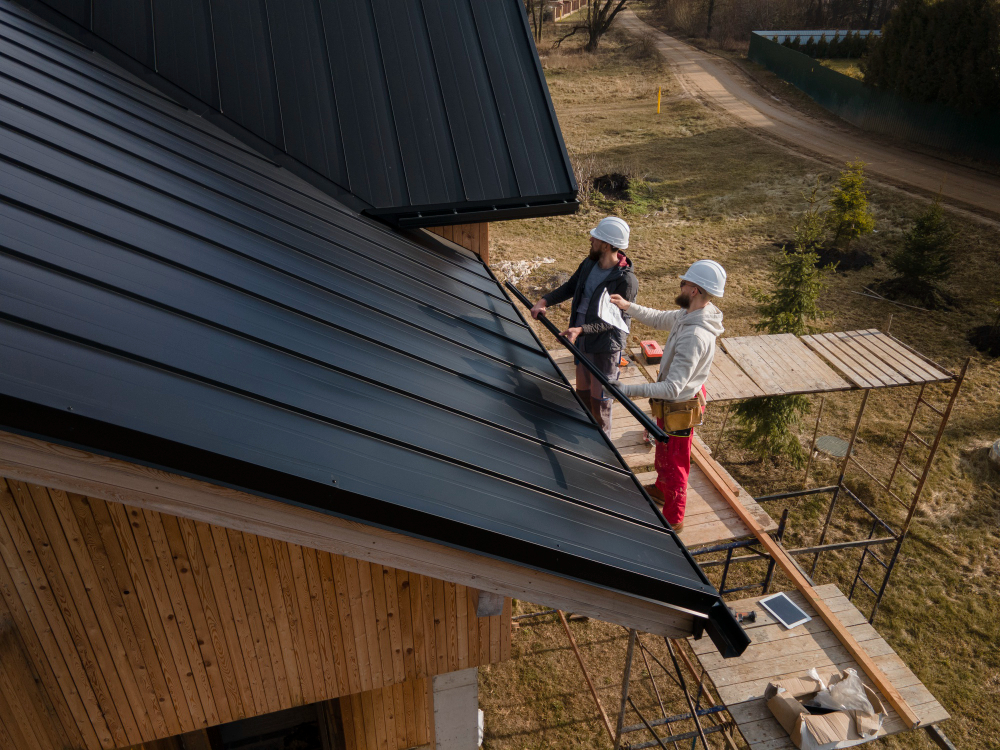
b. Metal Roofs: Offer strong support for corrugated or standing seam metal sheets.
c. Shingle Roofs: Ensure even weight distribution and prevent sagging.
d. Solar Panel Installations: Serve as a stable mounting surface for solar systems.
e. Insulated Roof Panels: Enhance thermal performance and structural integrity.
Their adaptability makes them ideal for new builds, renovations, and retrofits alike.
Installation Tips and Best Practices
Installing steel roof battens requires precision and adherence to building codes. Here are a few tips to ensure optimal performance:
1. Spacing: Follow manufacturer guidelines for batten spacing based on the type of roofing material.
2. Fastening: Use corrosion-resistant screws or clips to secure battens to trusses.
3. Alignment: Ensure battens are level and evenly spaced to prevent uneven roofing surfaces.
4. Safety: Always wear protective gear and follow safety protocols during installation.
Professional installation is recommended to maximize the benefits and longevity of your steel batten system.
Final Thoughts
Steel roof battens are more than just a structural component they’re a smart investment in the durability, safety, and performance of your roof. With benefits ranging from fire resistance to long-term cost savings, they offer a modern solution to age-old roofing challenges.
Whether you’re building a new home, upgrading an existing roof, or planning a commercial project, steel battens provide the strength and reliability you need and with Ezi Batten by your side, you can be confident in the quality and support you’re getting.
Recent Posts
Categories
- top hat battens 1
- metal fascia 2
- steel roof batten 37
- roof battens and purlins 7
- insulated roofing panels 24
- sandwich roofing panels 15
- roofers bracket 4
- gutter accessories suppliers 11
- metal ceiling battens 5
- metal fascia for modern roof 3
- Uncategorized 12
- metal roof insulation blanket 4
- cladding building materials 2
- top hat roofing 2
- metal roofing suppliers 8
- gutter and fascia replacement 3
- metal roof batten 16