
Roofing is one of the most important aspects of any building. It protects against harsh weather, contributes to energy efficiency, and influences the comfort and aesthetics of a property. In Australia, traditional roofing systems such as tiles, shingles, or corrugated metal sheets have been the standard for decades. However, modern alternatives like insulated roofing panels are reshaping the industry.
This article explores how traditional roofs perform compared to insulated panels, highlighting strengths, weaknesses, and practical considerations. By the end, you’ll understand why insulated roofing panels are increasingly seen as the smarter choice for homeowners and builders.
Traditional Roofs: The Familiar Choice
Traditional roofs are built using separate layers — structural framing, roofing material (tiles, shingles, or metal sheets), and insulation added underneath. Their widespread use stems from familiarity and availability.
Advantages of Traditional Roofs
- Proven durability: Clay tiles and corrugated metal sheets can last decades when maintained properly.
- Classic aesthetics: Traditional materials often suit heritage homes or period architecture.
- Wide availability: Builders are trained in installation, and materials are easy to source.
- Customisation: Different colours, shapes, and finishes allow for stylistic variety.
Limitations of Traditional Roofs
- Thermal inefficiency: Heat easily penetrates during summer and escapes during winter.
- Energy costs: Homes with traditional roofs often face higher heating and cooling bills.
- Maintenance demands: Tiles can crack, shingles may warp, and metal sheets may corrode.
- Complex installation: Building a traditional roof involves multiple steps, increasing labour costs and project timelines.
Insulated Roofing Panels: The Modern Alternative
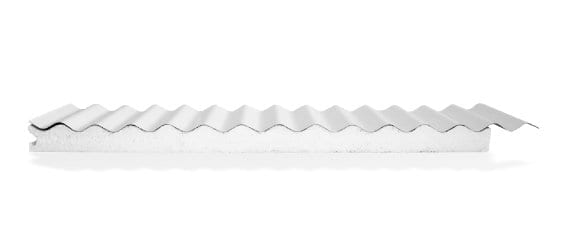
Insulated roofing panels combine roofing, insulation, and ceiling layers into one prefabricated product. Typically made with a steel exterior and a highperformance insulated core, they simplify construction while delivering superior thermal performance.
Advantages of Insulated Roofing Panels
- Superior thermal performance: Builtin insulation reduces heat transfer, keeping interiors comfortable yearround.
- Energy savings: Lower reliance on heating and cooling systems translates into reduced electricity bills.
- Quick installation: Prefabricated panels cut down construction time and labour costs.
- Low maintenance: Resistant to corrosion, pests, and weather damage.
- Modern aesthetics: Sleek finishes suit contemporary designs and outdoor living spaces.
- Sustainability: Reduced energy consumption lowers carbon footprint.
Limitations of Insulated Roofing Panels
- Upfront cost: Panels may cost more initially than traditional materials.
- Design flexibility: While versatile, some heritage projects may still favour traditional roofing styles.
Why Insulated Roofing Panels Outperform Traditional Roofs
While traditional roofs have their place, insulated panels deliver clear advantages:
- Comfort: Consistent indoor temperatures yearround.
- Savings: Lower energy bills offset initial costs.
- Sustainability: Reduced carbon footprint thanks to energy efficiency.
- Convenience: Faster installation and less maintenance.
- Futureproofing: Designed for modern building standards and energy regulations.
Practical Considerations for Homeowners
When deciding between traditional roofs and insulated panels, consider:
- Climate: In hot or cold regions, insulated panels provide significant benefits.
- Budget: While panels may cost more upfront, longterm savings often outweigh initial expenses.
- Design goals: Heritage homes may still favour traditional materials, but modern builds benefit from panel systems.
- Project timeline: Panels are ideal for projects requiring quick turnaround.
- Resale value: Energyefficient homes often attract higher resale prices.
Case Study: Energy Efficiency in Practice
Consider two homes in Melbourne one with a traditional tiled roof and another with insulated panels.
- The tiled roof home requires additional insulation layers, yet still experiences heat loss in winter and overheating in summer. Energy bills are consistently higher.
- The insulated panel home maintains stable indoor temperatures, reducing reliance on air conditioning and heating. Over five years, the homeowner saves thousands in energy costs, offsetting the initial investment.
This example illustrates how insulated roofing panels deliver measurable benefits beyond aesthetics.
The Future of Roofing in Australia
As sustainability becomes a priority, insulated panels are expected to dominate the roofing market. Builders and homeowners are increasingly drawn to solutions that combine durability, efficiency, and modern design. Government incentives for energyefficient construction further accelerate adoption.
Traditional roofs will remain relevant for heritage projects, but insulated panels represent the future of mainstream residential and commercial roofing.
Conclusion
Traditional roofs have served Australian homes for generations, offering durability and familiar aesthetics. However, they fall short in energy efficiency and convenience compared to insulated roofing panels. Modern panels combine strength, insulation, and style, making them a superior choice for today’s homeowners and builders.
Looking to upgrade your roofing system with efficiency, durability, and modern design? Explore the benefits of insulated roofing panels with Ezibatten. Visit Ezibatten today to discover innovative roofing solutions that save energy, reduce costs, and enhance comfort for years to come.
Recent Posts
Categories
- top hat roofing 2
- metal roofing suppliers 9
- gutter and fascia replacement 3
- metal roof batten 18
- top hat battens 1
- metal fascia 2
- steel roof batten 40
- roof battens and purlins 7
- insulated roofing panels 25
- sandwich roofing panels 15
- roofers bracket 4
- gutter accessories suppliers 11
- metal ceiling battens 6
- metal fascia for modern roof 4
- Uncategorized 12
- metal roof insulation blanket 5
- cladding building materials 2